

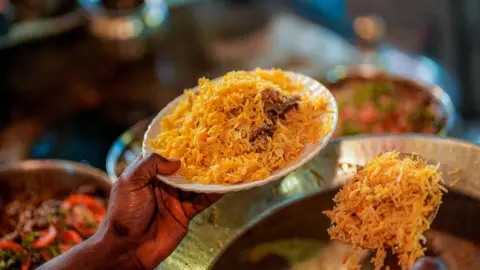
Tempting kebabs, aromatic biryani, and fluffy, cloud-like desserts.
The metropolis in India's north of Lucknow has long been a food lovers' paradise, with inhabitants and travelers alike celebrating its remarkable cuisine.
An International Accolade
In a recent announcement, The United Nations Educational, Scientific and Cultural Organization honored it as a City of Gastronomy within its Creative Cities Network – adding it to a prestigious group of international urban centers and sparking hopes that it will highlight Lucknow's peerless food. With this designation, it enters a worldwide network of cities metropolises across over 100 countries committed to promoting "innovation as a driver of city development that is sustainable".
The honor "demonstrates its centuries-old food heritage and lively food ecosystem," according to a spokesperson from UNESCO's regional bureau for South Asia.
Lucknow is merely the second Indian city – after Hyderabad, which was selected in 2019 – to earn a spot in this coveted list of 70 global destinations worldwide.
A City Defined by Food
The accolade for this historic city is no surprise to its locals or dedicated food lovers. Many agree with the opinion that it is "a recognition that was delayed".
With the UNESCO designation, this adored, chaotic, and vibrant city – the capital of India's biggest state – is finally in the spotlight for what has consistently shaped its soul: an immense devotion for food.
"'What's for dinner, how will it be cooked' is a ongoing discussion from waking up until night in most homes," notes a local cultural expert. "And you are actually assessed by the quality of food that comes out of your kitchen."
An Imperial Food Tradition
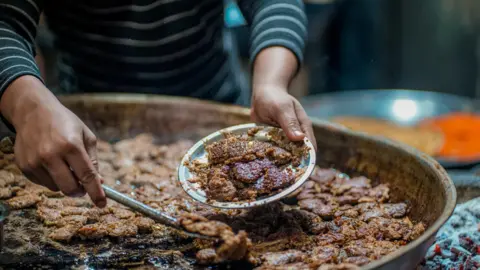
The Nawabi City – as it's popularly called after its 18th and 19th Century wealthy Muslim rulers – is renowned for its succulent kebabs and a distinctive take on biryani that were invented, evolved, and raised to sublime levels in their opulent kitchens.
These imperial kitchens were hubs of gastronomic creativity, merging Iranian and local Indian styles to create what became known as the culinary tradition of Awadh.
It was during this time that Lucknow's renowned kebabs were created. The story goes that the galouti kebab was invented to cater to an ageing nawab who had no longer had his teeth. His chefs processed the meat with papaya, kesar, and spices and made it so fine that it needed no chewing.
But arguably the most significant contribution of the cooks of Awadh was the slow-cooking Dum pukht technique, where food is prepared on a low, slow heat, with the container's cover tightly closed with a flour paste.
More Than Just Famous Dishes
Besides the obvious kebabs and biryani, the cooks also created a repertoire of dishes that included kormas (creamy curries), sheermal (saffron-infused flatbread), and shahi tukda (a sweet bread pudding).
However, Lucknow is not only about kebabs and biryani – the region is also a vegetarian's paradise.
The local traditionally vegetarian community's cuisine doesn't just celebrates local ingredients but also gives the city its exquisitely crafted Indian desserts, sweets, and distinctive street food, like chaat – tangy fried snacks.
Iconic Stalls and Historic Shops
Nearly on every corner, there are little shops and kiosks – hidden gems that are immensely popular with the locals.
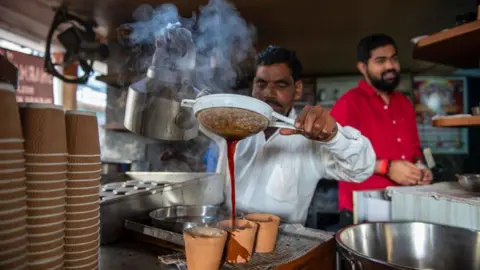
In the city center of Hazratganj, large gatherings start assembling from early morning at a renowned tea stall to get a steaming cup of spiced tea with milk, offered in earthenware cups, along with fluffy buns lathered with freshly churned white butter.
To start the day, one can make their way to a no-frills joint located in the historic quarter of Aminabad. Almost 150 years after it was set up, the place is still much sought-after for its freshly fried kachoris (fried bread stuffed with lentils) and jalebis (crispy, syrup-soaked sweets).
Safeguarding a Culinary Heritage
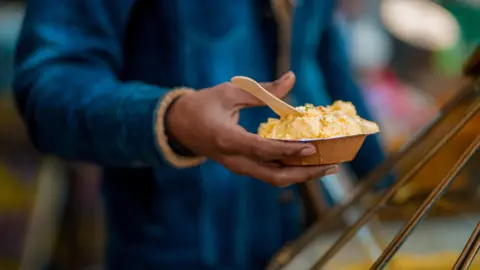
The city also presents remarkable seasonal delights, such as makkhan malai, a airy dessert found in the winter. The method of making it is intricate and complicated. The vendor hand-churns the milk and then exposes it at night, allowing the dew to give it its amazing airy feel.
On cold mornings, street vendors line up in old city areas like Aminabad and Chowk. A number of however note that their younger generation are reluctant to learn the craft.
A celebrity chef from Lucknow has often said that the city's immense food legacy puts it right on top of the Indian street food experience. The real value from the UNESCO recognition, however, will materialize only if Lucknow can now create awareness about its lesser-known eateries.
Every dish in Lucknow tells a story – influenced by multi-generational food businesses, from humble street carts to bustling restaurants, and guarded family recipes.
The global recognition, it is hoped, will inspire more people around the world to explore these narratives and visit the city to savour the culinary delights of Lucknow.


